
A wedding photographer's guide to 35mm film, 120 medium format, and the cameras behind the photographs.
Film photography isn't one-size-fits-all. Different formats, cameras, lenses, and film stocks produce wildly different results. Some cameras are fast and precise. Others are slow, unpredictable, and full of character.
I photograph weddings using a combination of digital photography, 35mm film, and 120 medium format film. Each has its own strengths, limitations, and personality.
And while I love the look of film, I'm equally interested in the mechanics behind it. After all, knowing why a photograph looks the way it does is part of knowing when to use a particular camera (kinda, like, duh, I guess).
So, here's a little field guide to the film formats and cameras you'll find in my bag.
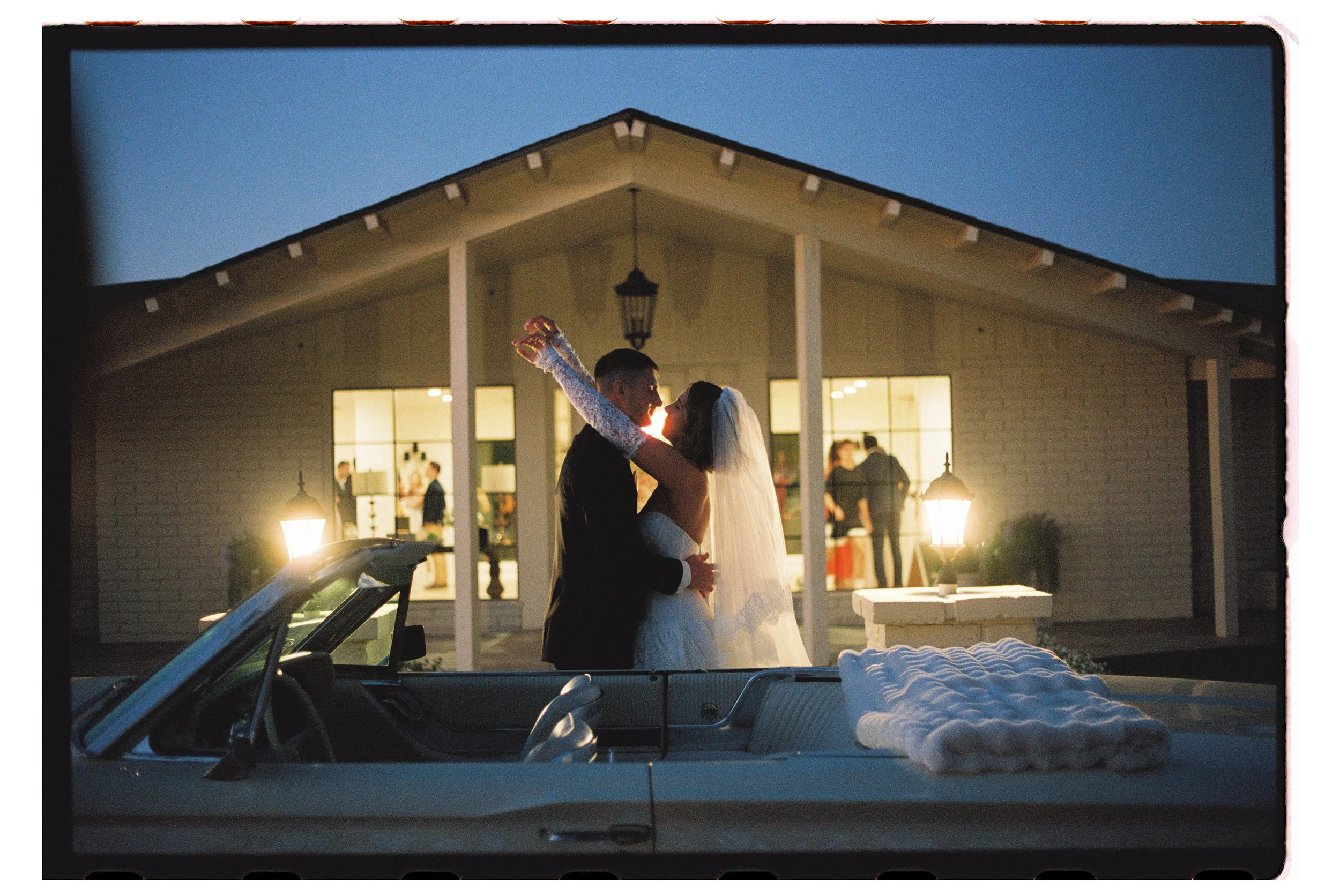
Canon EOS-1V | Professional 35mm Autofocus SLR
First, a Little Film 101.
Before we get into the cameras, let's cover the two film formats I use for wedding photography: 35mm and 120 medium format film.
The biggest difference is the size of the negative, which is essentially film's equivalent to a digital camera sensor. Larger negatives can capture more fine detail with less noticeable grain…
But bigger doesn't necessarily mean better!!
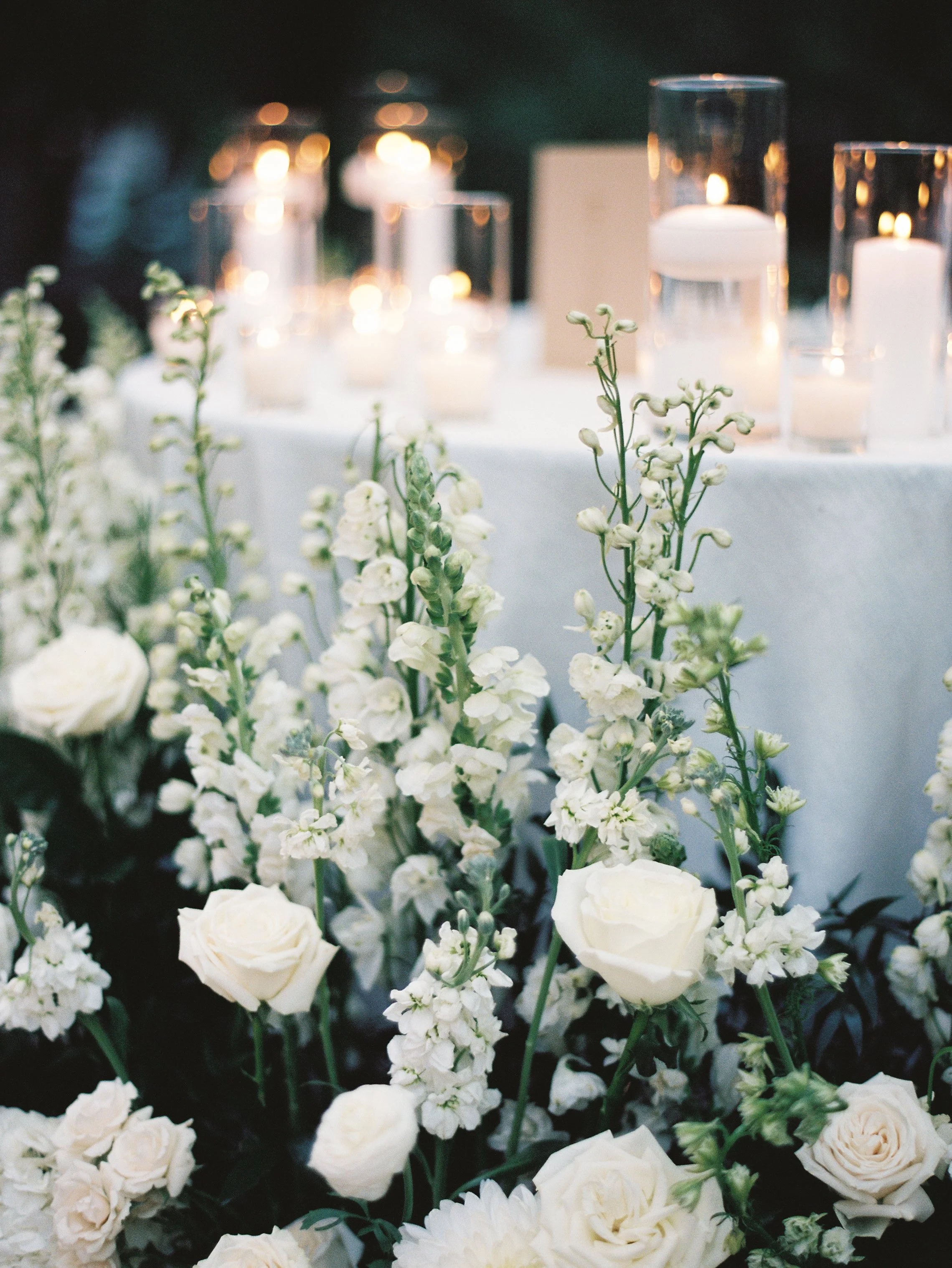
Pentax 645 | 120 Medium Format SLR
35mm Film: The Classic
34-36 photographs. One lil roll. And probably what you think of in your head when you imagine “film photography,” honestly.
35mm is the format behind decades of family photo albums, professional photojournalism, and nostalgic disposable camera photographs.
Each negative measures 24 × 36 mm, the same size as a full-frame digital camera sensor.
Compact, versatile, and known for its organic grain, 35mm is my go-to format for documentary wedding photography, especially fast-moving, fleeting moments.
120 Film: The Medium Format
Bigger negatives. Fewer photographs. Beautiful detail.
120 film produces larger negatives, with it’s exact dimensions depending on the camera.
Pentax 645: Approximately 6 × 4.5 cm, typically 15 photographs per roll.
Holga 120: Approximately 6 × 6 cm, typically 12 photographs per roll.
For comparison, the Pentax's negative is roughly 2.7 times the size of a 35mm negative.
That extra surface area allows for finer detail, smoother grain, and beautiful tonal transitions. Long favored in fashion, portrait, and editorial photography, medium format is especially lovely for intentional compositions and slower moments.
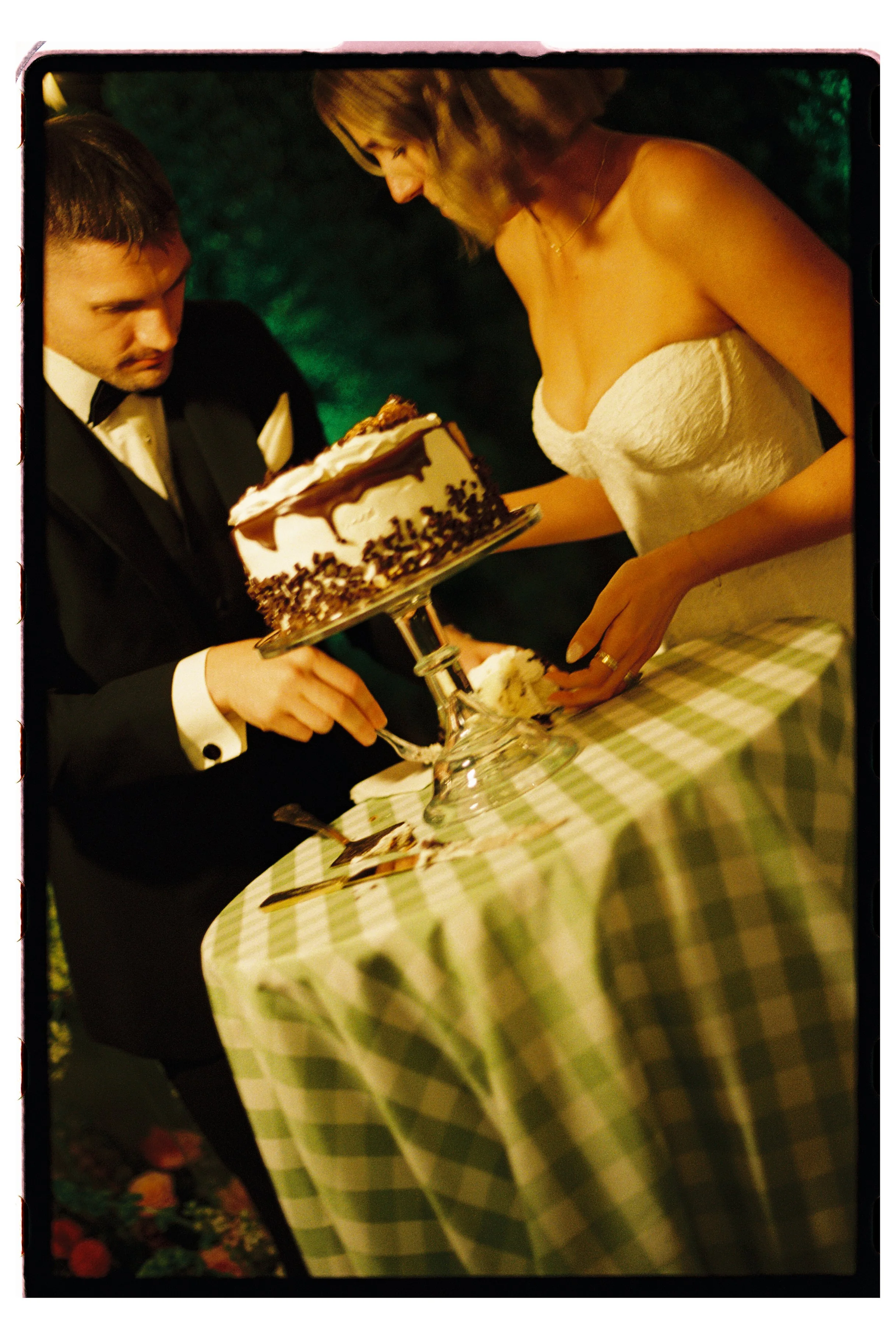
Canon EOS-1V | Professional 35mm Autofocus SLR
The Cameras Behind the Photographs
Here's where things get interesting.
Two cameras can shoot the exact same film stock and produce photographs that feel completely different. The lens, focusing system, flash, exposure settings, and even the construction of the camera influence the final image.
These are the four types of cameras you'll find in my film rotation.
01. The Point-and-Shoots
35mm Film | Compact Film Cameras
My 35mm point-and-shoot cameras are compact, lightweight, and designed to make photographing relatively simple, and second nature. Most handle focusing and exposure automatically, and many have built-in flashes.
They're not necessarily the “sharpest” or most technically sophisticated cameras in my bag (but TBH that's not always the point depending on the moment!)
There's something familiar about the photographs they produce. Direct flash, visible tangible grain, occasional softness, and casual compositions that feel like they belong in someone's family photo album.
I love them for cocktail hours, dance floors, getting-ready moments, and all the spontaneous interactions happening around me.
The appeal: Nostalgic, spontaneous photographs with a little early-2000s family-vacation energy.
Not everything needs to look like a traditional magazine cover. Sometimes it should look like the best night of your life, photographed by someone who was actually there.
02. The Professional Workhorse
Canon EOS-1V | Professional 35mm Autofocus SLR
The Canon EOS-1V is a professional 35mm film SLR, originally designed for “working photographers who needed speed, reliability, and precision.”
Think of it like a professional digital camera, except instead of recording photographs onto a memory card, it's exposing frames onto a roll of film. It features advanced autofocus, interchangeable lenses, and fast continuous shooting capabilities.
In other words, this thing can keep up, and I reach for it during moments like your first look, and first kiss. (As someone who got her start in sports photojournalism, that's particularly important to me.)
Weddings move quickly. People move quickly. The best moments rarely announce themselves or wait around for you to adjust your camera settings.
The EOS-1V allows me to approach film with many of the same documentary instincts I use when shooting digital: anticipating movement, following action, and reacting to moments as they happen.
The appeal: The organic character of 35mm film with the speed and precision of a professional camera system.

Holga | 120 Medium Format Toy Camera
03. The Beautiful Beast
Pentax 645 | 120 Medium Format SLR
The Pentax 645 is my medium format SLR, and she's not exactly subtle. It's big, heavy, and a little cumbersome, but the photographs? Pretty darn beautiful.
Shooting 120 film in a 6 × 4.5 format, the Pentax produces large negatives with beautiful detail, subtle tonal transitions, and richly rendered portraits. It's especially lovely for intentional compositions, beautiful light, and editorial-inspired photography.
But I'll be the first to tell you, this camera rarely makes an appearance at my weddings.
It's not a "run-and-gun" camera, and that's okay! I typically reserve it for much slower wedding days, or engagement sessions when I know we'll have several hours dedicated to photography. It's a camera that asks you to slow down, and I'd rather let it do what it does best than force it into a fast-paced wedding timeline.
The appeal: Detail-rich, editorial medium format photographs. Best enjoyed when there's room to breathe, or at engagement / studio sessions.
04. The Wild Card
Holga | 120 Medium Format Toy Camera
Here's where I get to contradict just about everything I said about medium format film.
The Holga is a featherweight plastic camera that shoots 120 film, with an extremely basic lens, manual controls, and a reputation for being insanely unpredictable.
It needs plenty of light, (but don’t even think about shooting toward the sun), a lot of attention, and a healthy willingness to surrender control. There's no autofocus or sophisticated metering system doing the thinking for me.
The results? Soft focus, darkened corners (vignetting), occasional light leaks, and more character than any other camera in my bag.
It's also arguably the most frustrating. Sometimes I'm hoping for a reasonably sharp photograph, and the Holga decides to deliver 110% VIBES instead.
Despite shooting the same film format as my Pentax, the results couldn't be more different. Where every other 120 film gives me precision and detail, the Holga embraces atmosphere, experimentation, and all the beautiful imperfections of analog photography.
It's dreamy. It's weird. and either super rewarding or heartbreaking.
Which is probably why I like it so much.
The appeal: Experimental, unpredictable photographs with a whole lot of personality.
Planning your own intentional wedding? Looking for a wedding photographer who focuses on genuine moments, honest emotions, and photos that feel like your actual day? I’d love to hear your story.

Canon EOS-1V | Professional 35mm Autofocus SLR
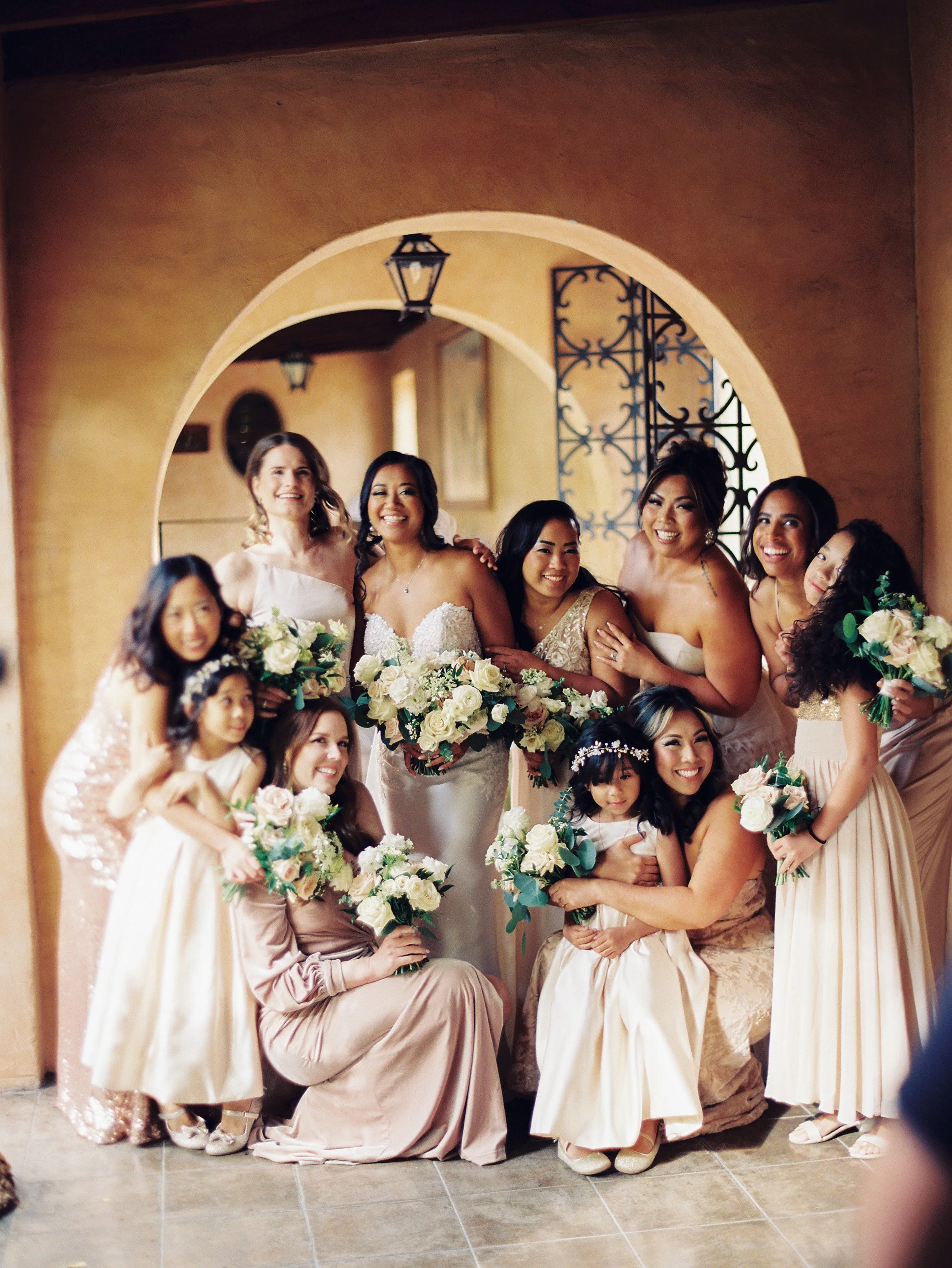
Pentax 645 | 120 Medium Format SLR
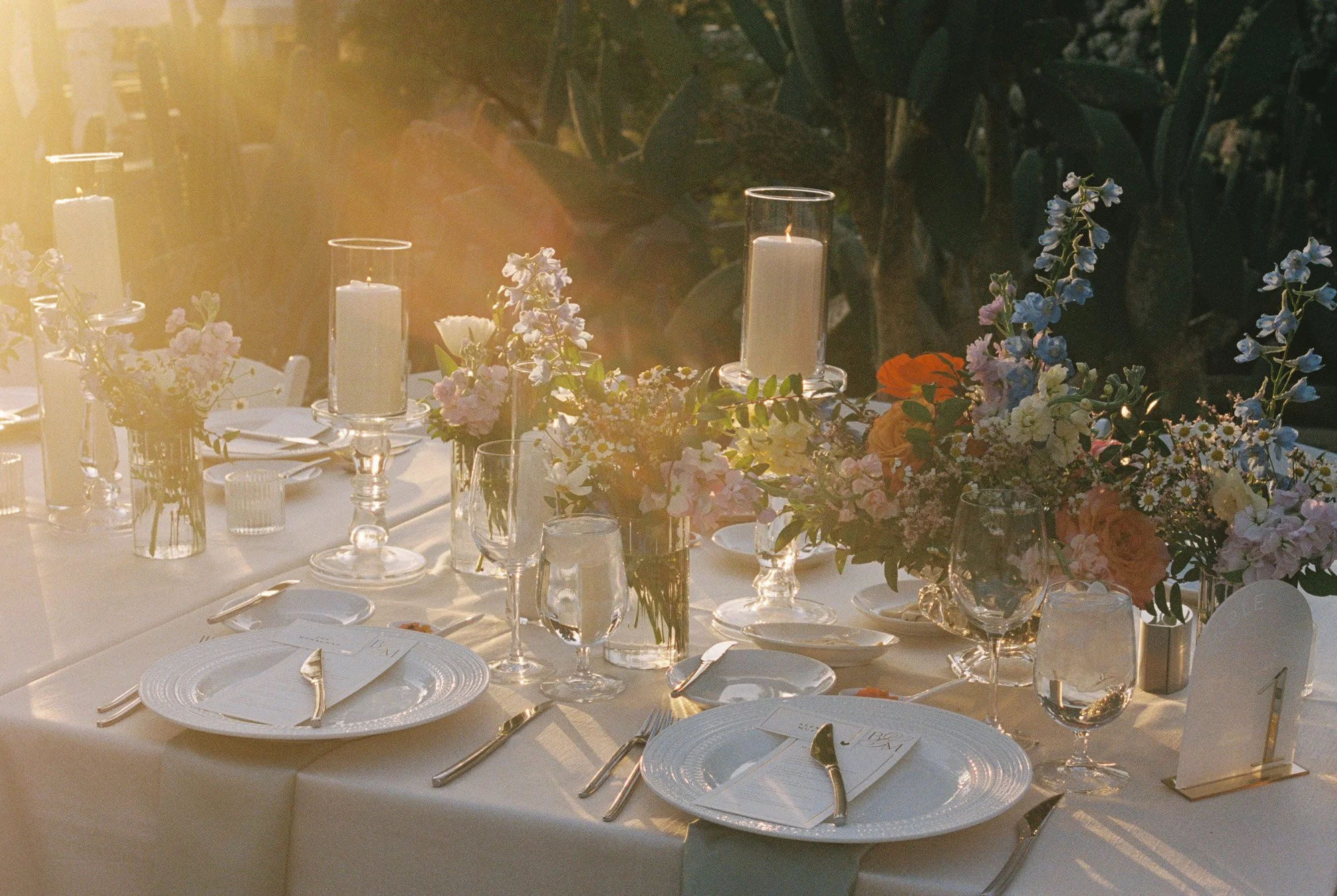
Canon EOS-1V | Professional 35mm Autofocus SLR

Canon EOS-1V | Professional 35mm Autofocus SLR
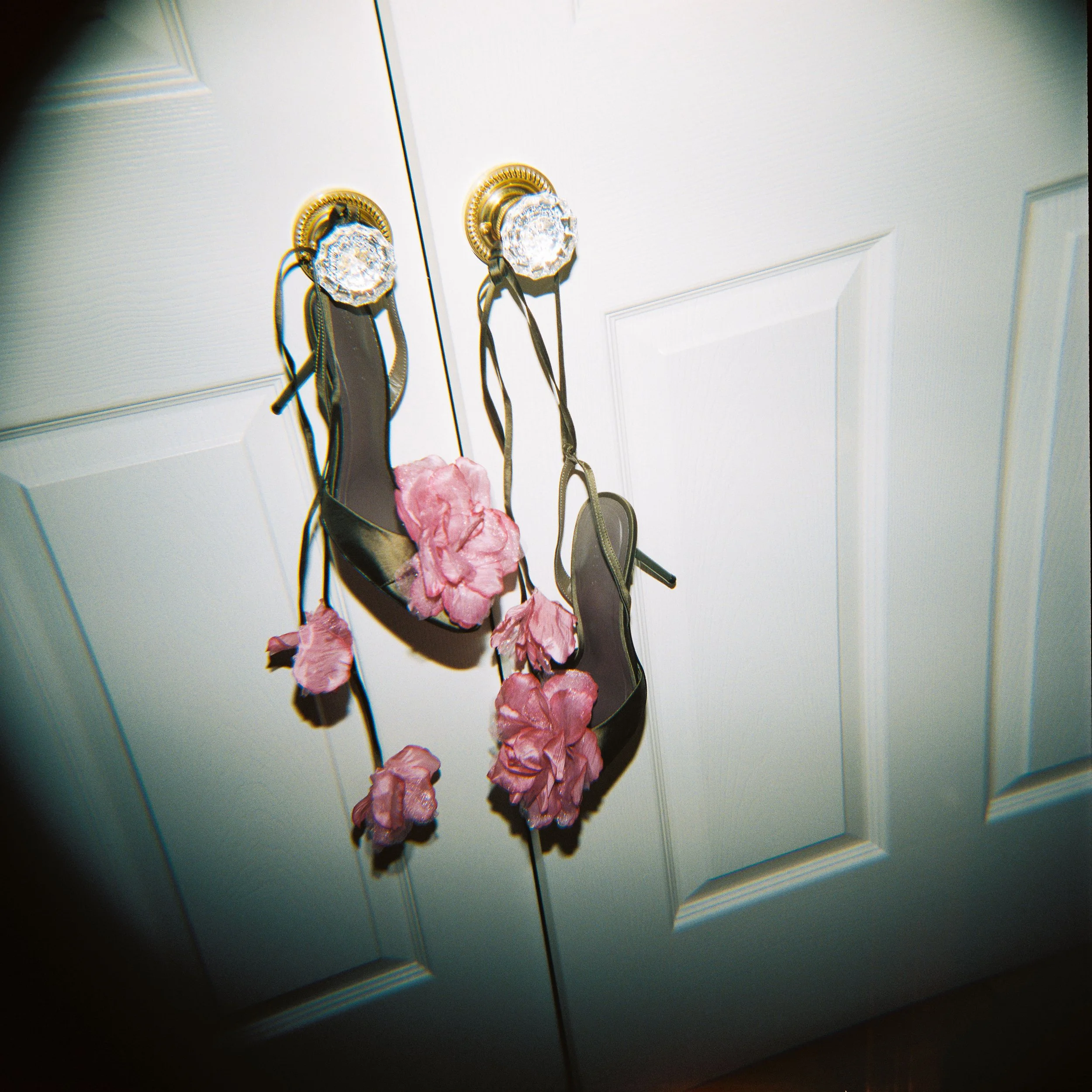
Holga | 120 Medium Format Toy Camera
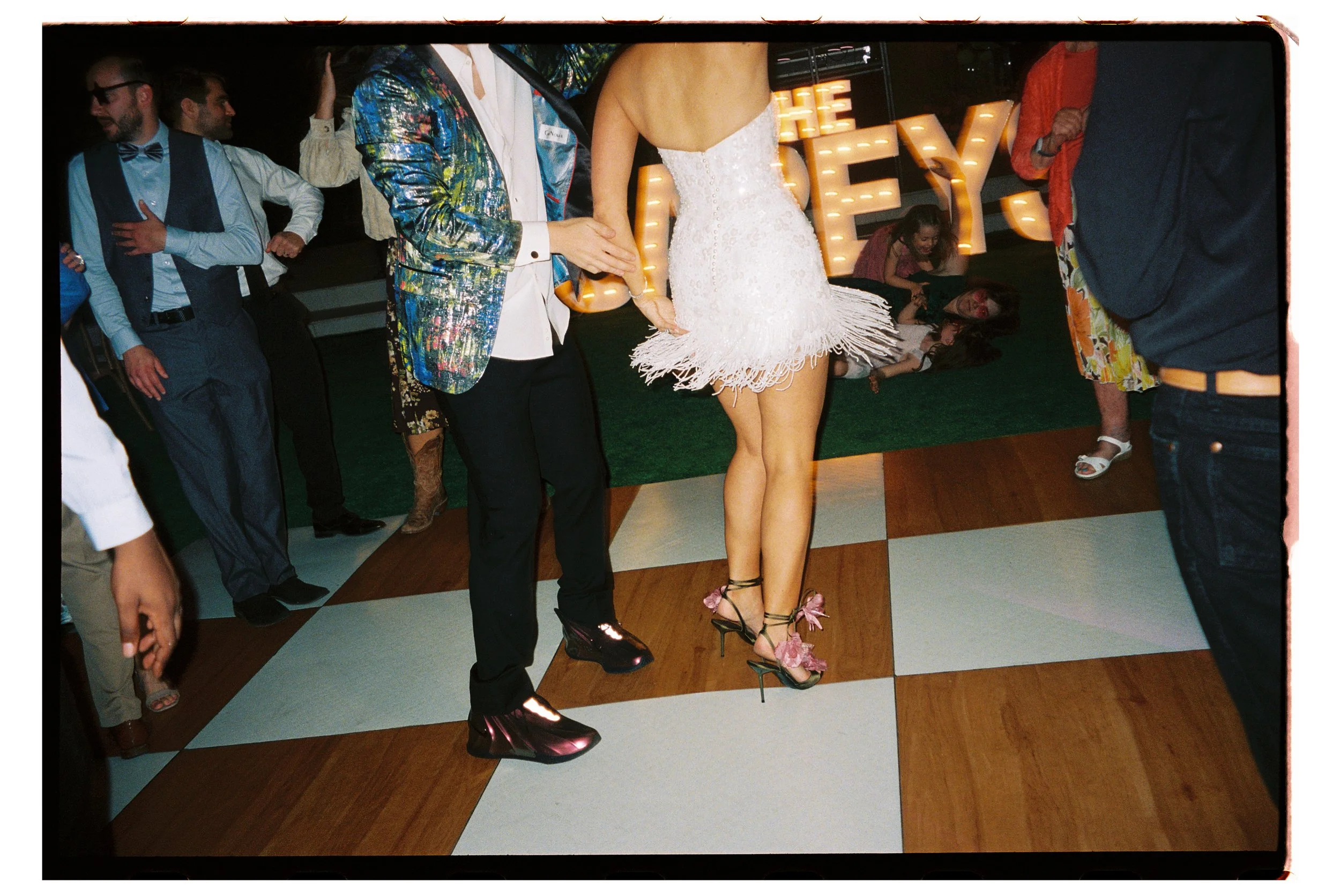
35mm Film | Compact Film Cameras
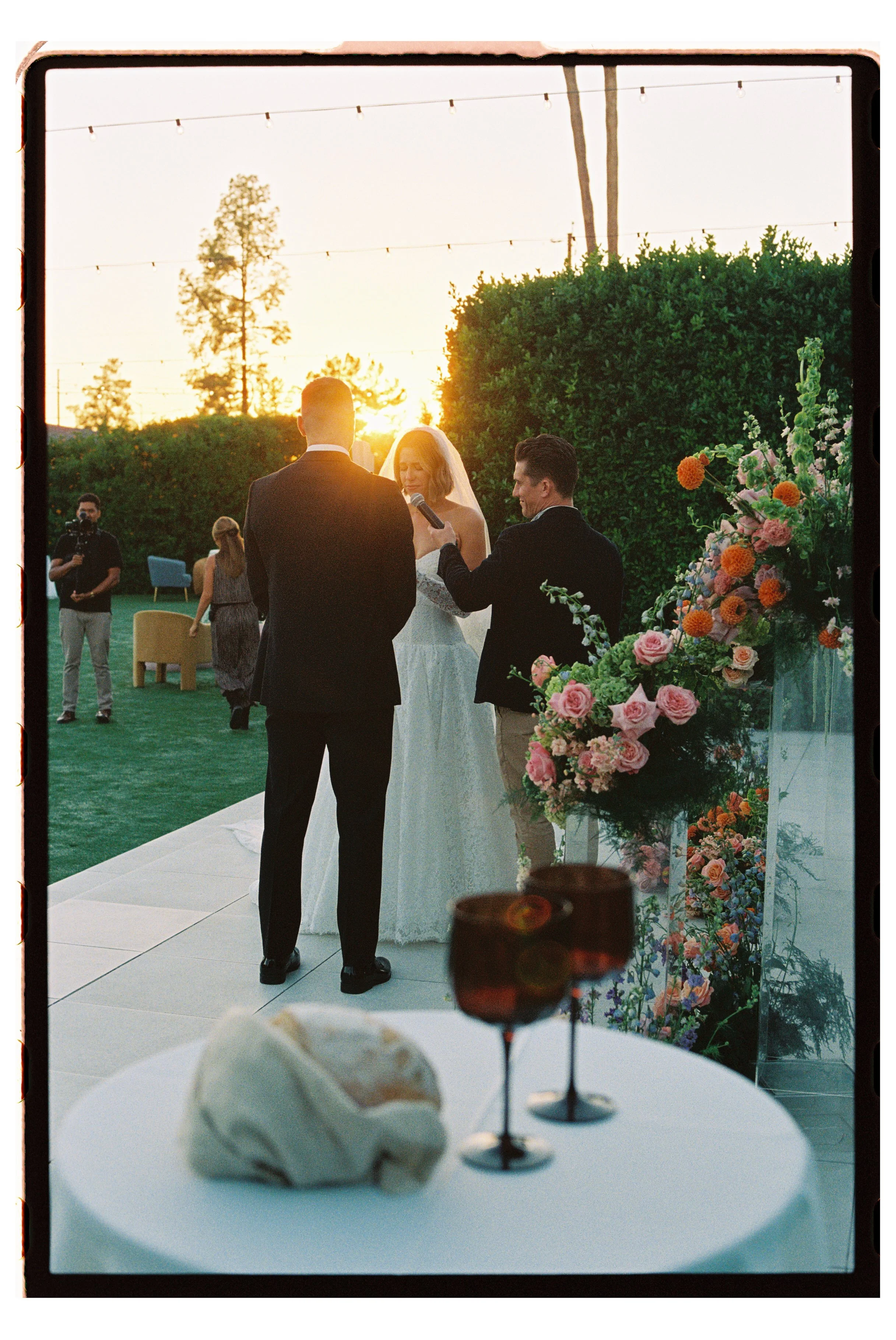
Canon EOS-1V | Professional 35mm Autofocus SLR

35mm Film | Compact Film Cameras
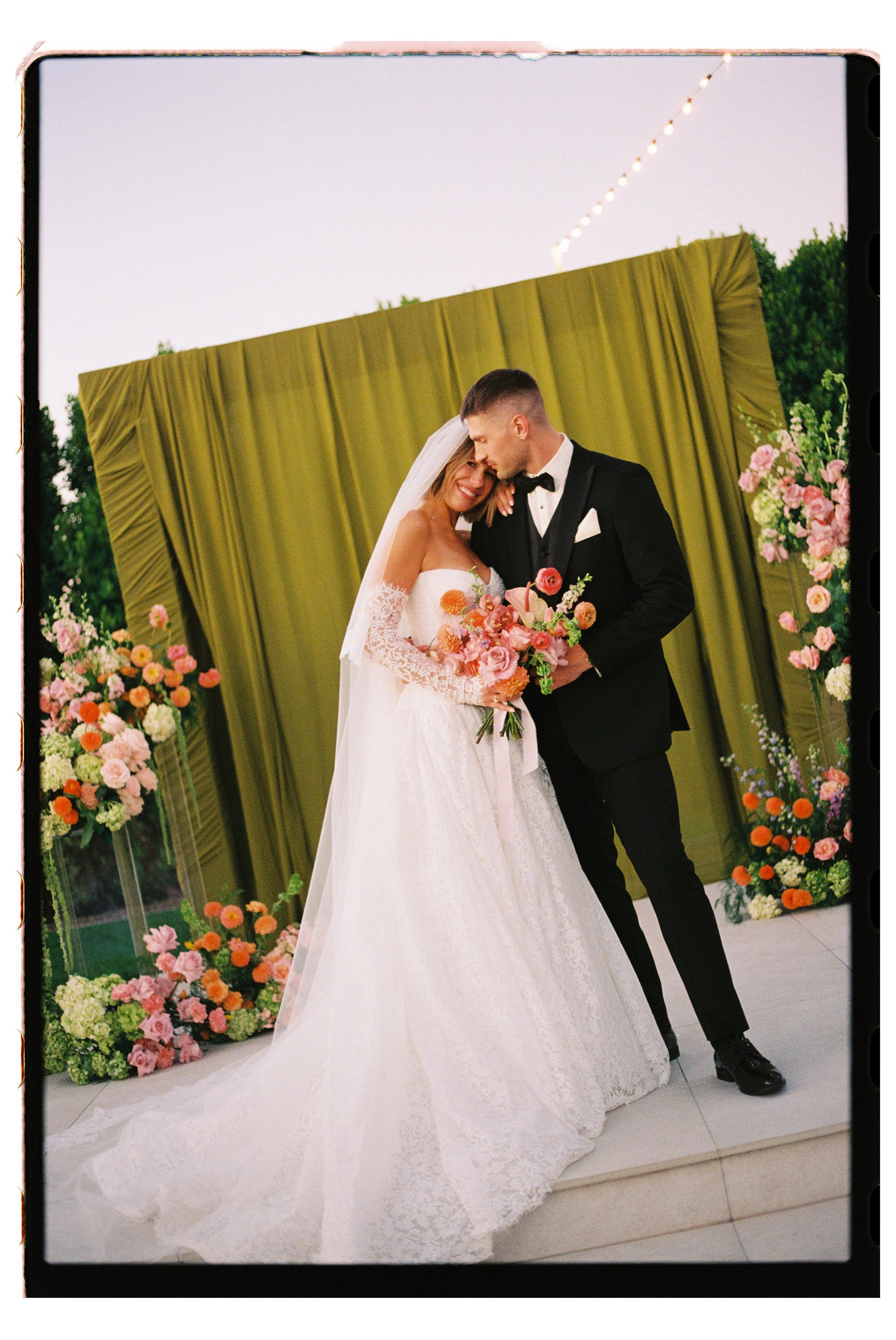
Canon EOS-1V | Professional 35mm Autofocus SLR

Canon EOS-1V | Professional 35mm Autofocus SLR